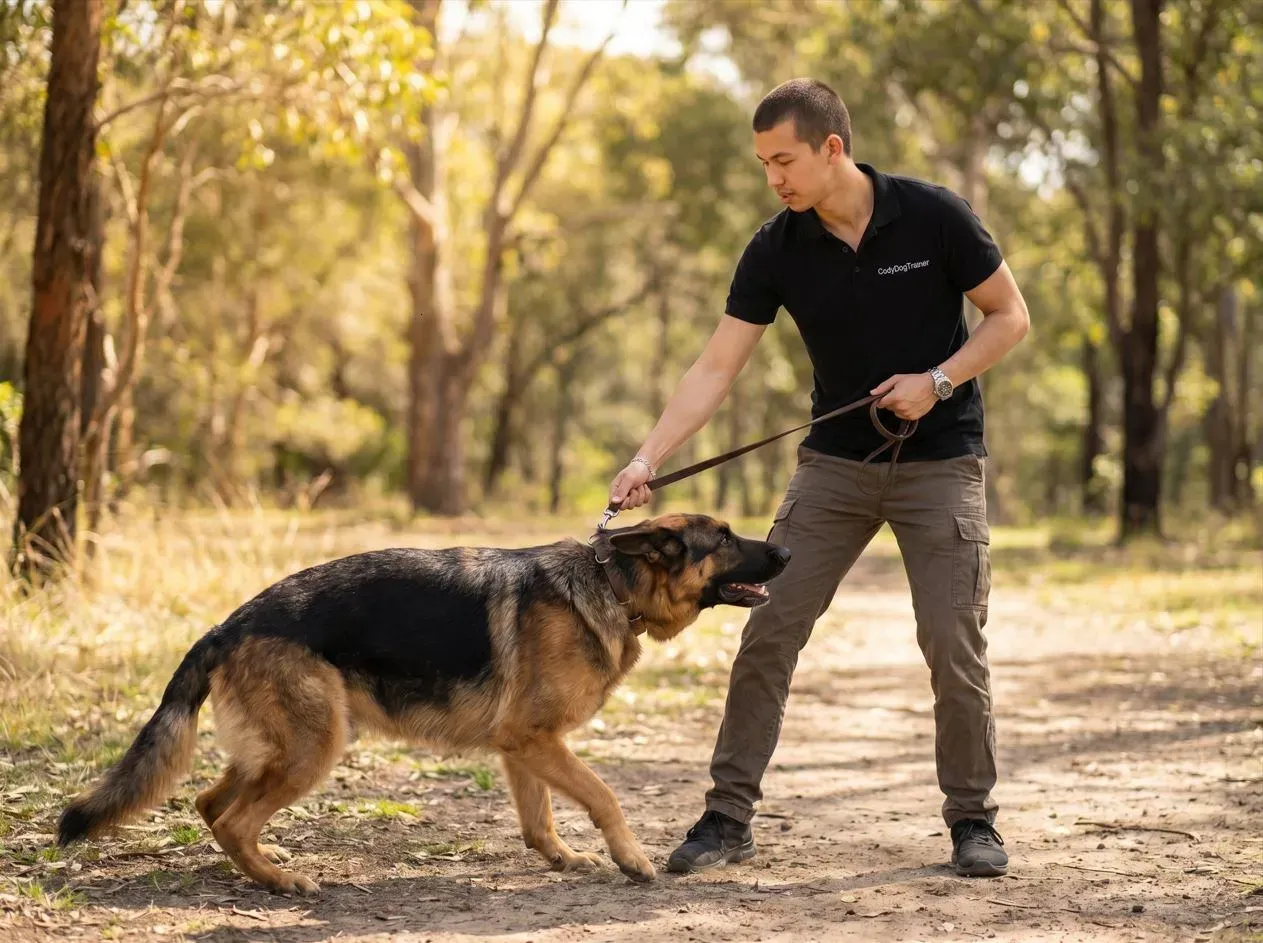
Leash Pulling Correction Methods For Large Breed Target Dogs
Leash Pulling Correction Methods For Large Breed Target Dogs
Walking a large breed dog should be an enjoyable experience, yet many owners find themselves struggling with leash pulling. This behavior not only makes walks challenging but can also lead to physical strain or injury for the handler. Understanding the mechanics behind leash pulling and how to correct it effectively is essential for both the dog’s well-being and the owner’s safety. This article delves into various correction methods specifically designed for large breed target dogs, providing practical steps and expert insights to help owners regain control during walks.
Leash pulling often stems from a combination of factors, including the dog’s natural instincts and the handler’s responses. Large breeds, in particular, can exert significant force, making it crucial for owners to implement effective training techniques and utilize appropriate gear. This comprehensive guide will explore various correction methods, the tools available, and the underlying behavioral science to empower dog owners to achieve loose leash walking with confidence.
Understanding Leash Pulling Behavior
The Opposition Reflex
The opposition reflex, also known as thigmotaxis, is a natural response in dogs that occurs when they feel tension on the leash. When a handler pulls back, the dog instinctively pushes against that pressure, leading to an escalation in pulling behavior. Understanding this reflex is vital for owners aiming to correct leash pulling.
Environmental Triggers
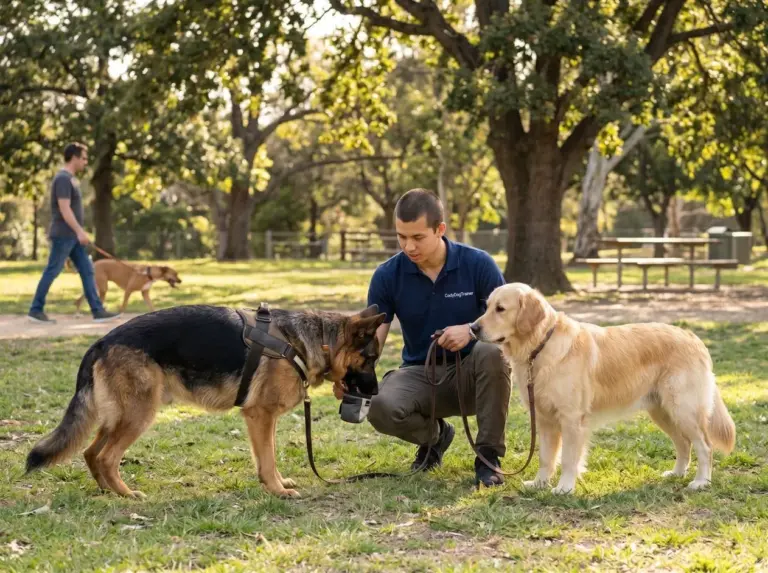
Many large breed dogs exhibit pulling behavior due to environmental stimuli, such as other dogs, squirrels, or unfamiliar sounds. These triggers can provoke a strong reaction, leading the dog to lunge forward. Recognizing these triggers allows owners to anticipate and manage their dog’s reactions more effectively.
The Role of Arousal
High arousal states, whether from excitement or anxiety, can significantly contribute to leash pulling. A dog that is overly excited may pull harder in an attempt to reach their target. Understanding how a dog’s emotional state influences their behavior can help owners implement targeted strategies for correction.
Essential Gear for Large Breed Dogs
Front-Clip Harnesses
Front-clip harnesses are designed to redirect a dog’s forward momentum, making them an effective tool for managing leash pulling. By attaching the leash at the front, the harness encourages the dog to turn back towards the handler when they pull. This helps to break their forward momentum without causing discomfort.
Head Halters
Head halters provide excellent control over a dog’s head and can be particularly effective for large breeds. However, they require proper introduction and desensitization to ensure the dog is comfortable wearing them. Additionally, they should only be used with a fixed lead to prevent injury from sudden lunges.
Martingale Collars
Martingale collars offer a secure fit without the choking risk associated with standard collars. They provide gentle correction by tightening slightly when the dog pulls, which can help in discouraging the behavior. When used in conjunction with other correction methods, martingale collars can enhance training efforts.
Training Techniques for Leash Pulling Correction
Positive Reinforcement
Using positive reinforcement is an effective method for teaching loose leash walking. This involves rewarding the dog for walking beside the handler with high-value treats. Consistently rewarding the dog when they maintain a loose leash helps them learn that staying close results in positive outcomes. This supports building a strong association between good behavior and rewards.
Stop-and-Drop Method
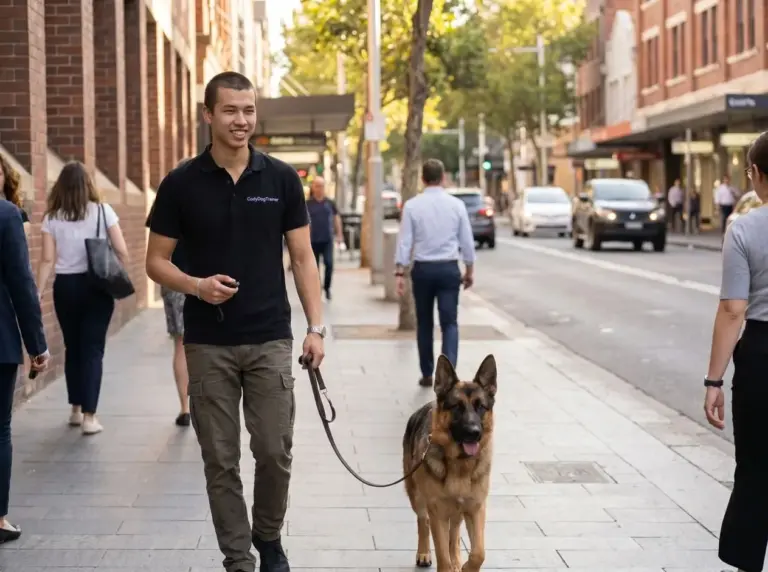
The stop-and-drop method encourages the dog to recognize pulling as an ineffective strategy. When the dog pulls, the handler should stop walking immediately and stand still until the leash is slack. This teaches the dog that pulling leads to a halt in progress. Once the leash is loose, the handler can resume walking, reinforcing the desired behavior.
Directional Changes
Another effective technique is to change direction when the dog begins to pull. This not only gets the dog’s attention but also helps to break the pattern of pulling. By frequently changing directions, the dog learns to stay focused on the handler rather than the distractions in the environment.
Advanced Techniques for Persistent Pullers
Fading Gear Dependency
As training progresses, it’s essential to gradually reduce the reliance on correction tools. For example, if a front-clip harness is used initially, transitioning to a flat collar should be gradual. This helps the dog learn to walk nicely on a flat collar without excessive pulling. Consistent practice in low-distraction environments supports this transition.
Engagement Training
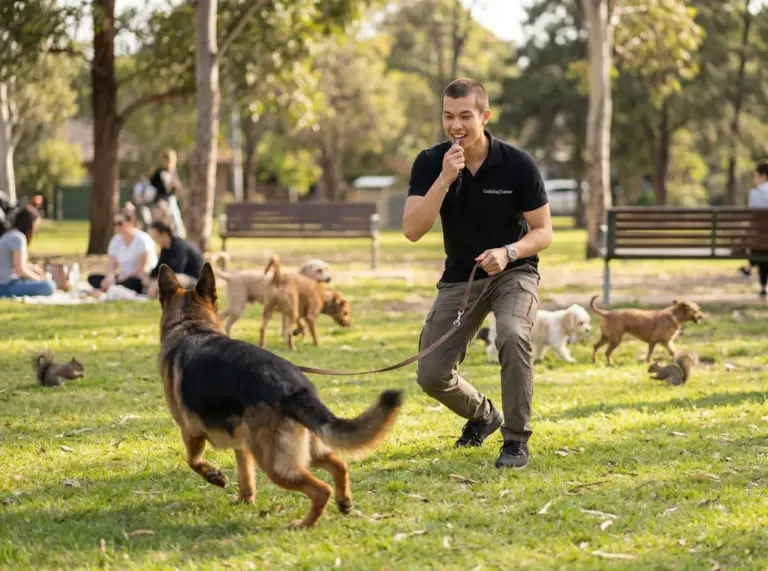
Engagement training focuses on maintaining the dog’s attention during walks. This can be achieved through games, such as “look at me” commands, which encourage the dog to focus on the handler rather than external distractions. Engaging with the dog through training exercises during walks can significantly reduce pulling behavior.
Leash Pressure Awareness
Teaching the dog to be aware of leash pressure is crucial. Training them to respond to light tension on the leash helps in managing their pulling behavior. This can be achieved by rewarding the dog for checking in with the handler when they feel tension, reinforcing the idea that a loose leash is the desired state.
Common Questions About Leash Pulling
Why does my large dog pull harder when I pull back?
This is due to the opposition reflex (thigmotaxis). When you pull back, the dog instinctively pushes against that pressure, resulting in increased pulling behavior.
Is a head halter safe for a massive dog that violently lunges?
While head halters provide excellent control, they should be used with caution. If a heavy dog lunges suddenly, it can lead to cervical spine strain. Therefore, they should only be used with short, fixed leads to prevent injury.
How do I handle a sudden lunge from an 80lb dog without falling?
To prevent being pulled over, anchor the leash hand firmly against your belly button or hip bone. This helps shift your center of gravity, allowing you to maintain control during sudden lunges.
What collar stops a large dog from pulling?
Front-clip harnesses are effective for preventing pulling as they redirect the dog’s momentum. Additionally, martingale collars can provide gentle corrections without causing harm.
How can I transition my dog from a no-pull harness to a flat collar?
Gradually reduce the use of the no-pull harness by practicing in low-distraction environments while rewarding the dog for maintaining a loose leash on a flat collar. Consistent practice and positive reinforcement will help ease this transition.
Conclusion: Empowering Owners for Safe and Enjoyable Walks
Leash pulling is a common challenge faced by owners of large breed dogs, but with the right understanding and tools, it can be effectively managed. By implementing various correction methods, utilizing appropriate gear, and focusing on positive reinforcement techniques, dog owners can foster a more enjoyable walking experience. The journey to mastering loose leash walking requires patience and consistency, but the benefits of a well-behaved dog during walks are invaluable.
For those looking to enhance their dog training skills, consider seeking expert guidance or enrolling in training classes specifically designed for large breeds. With dedication and the right approach, walking a large dog can transform from a daunting task into a pleasant and fulfilling experience.