Solutions For Habitual Jumping Behavior On Elderly Home Visitors
Solutions For Habitual Jumping Behavior On Elderly Home Visitors
Introduction
In households with dogs, a common challenge arises when elderly visitors come to call. Many dogs exhibit jumping behavior, which can be both alarming and dangerous for fragile guests. Jumping is often a manifestation of excitement or a desire for attention, but for senior visitors, it can create a hazardous situation, leading to falls or injuries. Understanding how to manage this behavior is crucial for ensuring the safety and comfort of all parties involved.
Effective solutions to habitual jumping behavior require a multifaceted approach that encompasses behavior modification techniques, environmental management strategies, and practical tools. This article delves into the complexities of this behavior and provides actionable advice to help dog owners create a safe environment for elderly visitors. By implementing these solutions, owners can foster a more harmonious interaction between their pets and senior guests.
Understanding Jumping Behavior
The Psychology Behind Jumping
Jumping behavior in dogs is typically driven by excitement and the desire to greet guests. This behavior can escalate due to the high arousal levels that accompany the arrival of visitors. It’s essential for owners to understand that this behavior is not a sign of dominance but rather an involuntary response to heightened emotional states.
Assessing the Risks for Elderly Visitors
Elderly individuals often face mobility challenges, including balance issues and frailty. When a dog jumps up, the potential for injury increases significantly. Understanding the risks associated with jumping behavior is crucial, as even a small impact can lead to severe consequences for elderly guests.
Environmental Triggers
Dogs may react differently depending on the environment. Factors such as noise, unfamiliar scents, and the presence of other pets can exacerbate jumping behavior. Identifying these triggers allows owners to create a more controlled environment, reducing the likelihood of jumping when visitors arrive.
Practical Management Techniques
Establishing a Safe Greeting Protocol
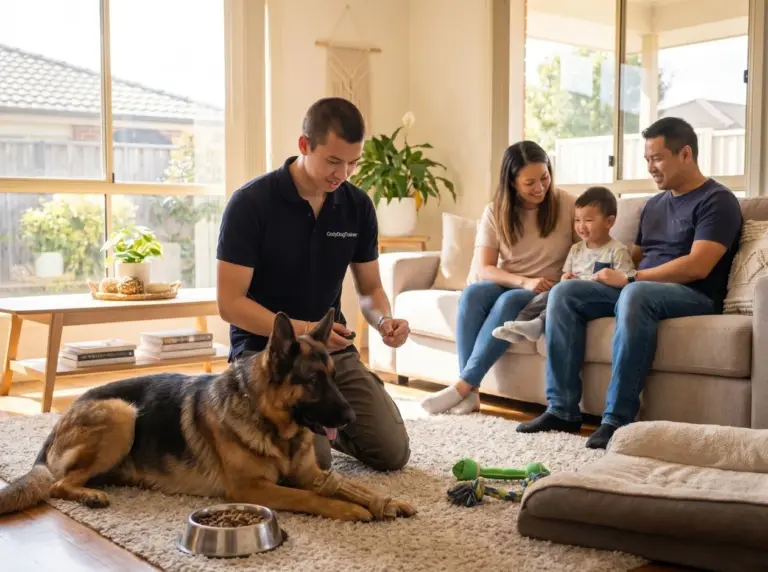
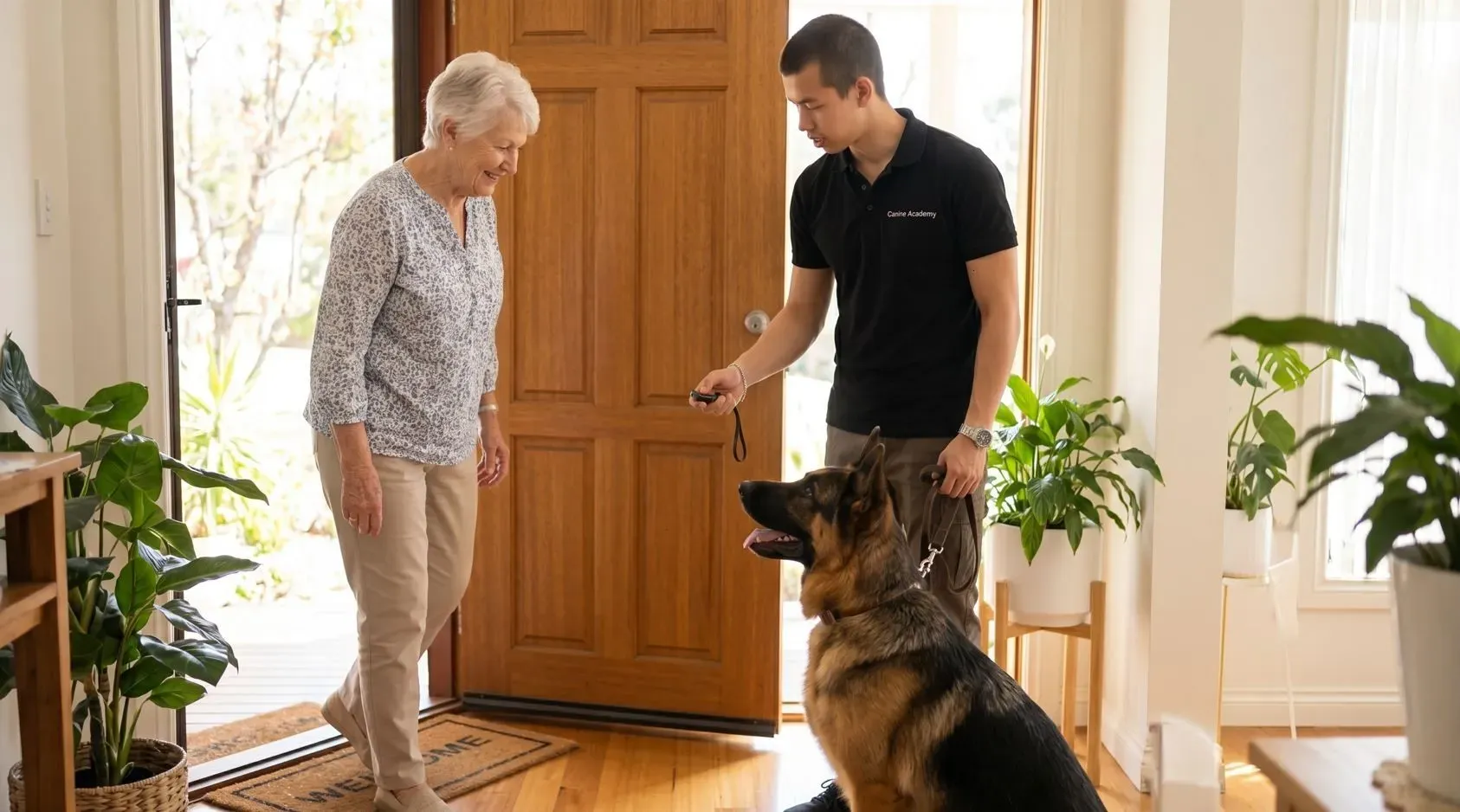
Creating a structured greeting protocol can help mitigate jumping behavior. This involves teaching the dog to remain calm and in a designated area until the guest has entered and settled. For example, using a mat or a specific spot can signal to the dog where they should stay during greetings.
Utilizing Physical Barriers
Physical barriers such as gates or leashes can prevent jumping by creating a clear boundary between the dog and the visitor. These tools must be robust enough to handle the dog’s energy while ensuring the safety of elderly guests. Additionally, using tethers can help manage the dog’s movements effectively.
Training Alternatives
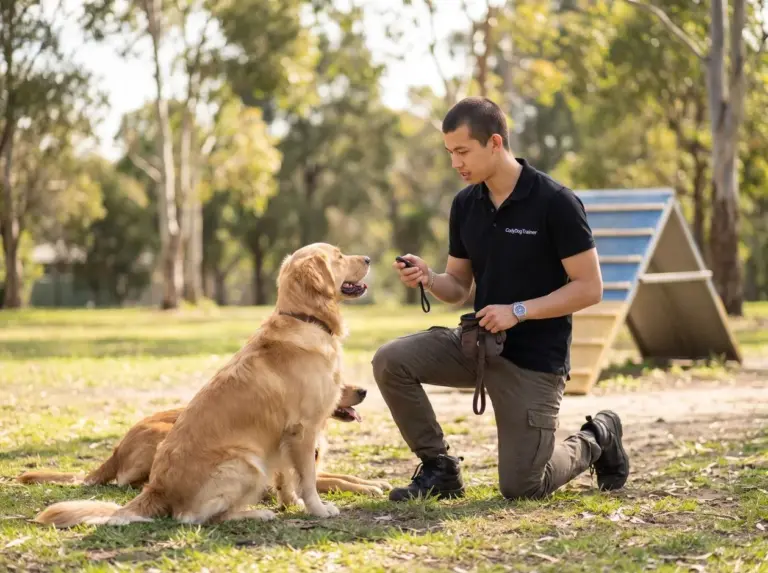
Training techniques such as Differential Reinforcement of Incompatible behavior (DRI) can redirect the dog’s focus. Teaching commands like “place” or “go to your bed” encourages the dog to engage in alternative behaviors that do not involve jumping. This supports a more controlled interaction when guests arrive.
Behavior Modification Strategies
Gradual Desensitization
Desensitization involves gradually exposing the dog to the stimuli that trigger their jumping behavior. By simulating the arrival of visitors through controlled scenarios, owners can help their dogs learn to remain calm. This process should be conducted at a pace that is comfortable for the dog, increasing the level of distraction slowly.
Positive Reinforcement Techniques
Using positive reinforcement—rewarding the dog for calm behavior—can be highly effective. High-value treats or praise can incentivize the dog to remain calm when visitors arrive. This supports the development of a more desirable behavior pattern over time.
Incorporating Professional Help
In some cases, enlisting the help of a professional dog trainer or a behaviorist may be necessary. These experts can provide tailored strategies to address specific jumping issues and develop an individualized training plan. This helps ensure that the techniques implemented are effective and appropriate for the dog’s temperament.
Tools and Resources
Physical Gear
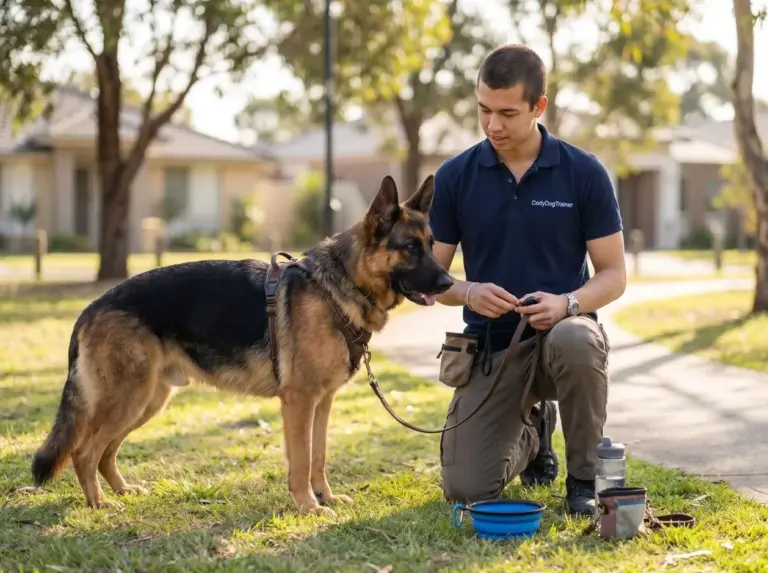
Investing in appropriate gear can significantly assist in managing jumping behavior. Items such as head halters, harnesses, and high-quality leashes are designed to provide better control over the dog. These tools can prevent jumping while allowing for safe interactions with elderly visitors.
Creating Visual Cues
Visual cues can help dogs understand where they should be during greetings. Using markers such as cones or mats can clearly define boundaries. This helps the dog learn appropriate positions during visits, supporting a calmer environment.
Utilizing Indoor Tethers
Indoor tethers can be effective for managing dogs in high-traffic areas. However, it is crucial to ensure that these tethers are secured in a way that prevents the dog from reaching guests. Properly anchored tethers can create a safe space for the dog while minimizing jumping risks.
Expert Insights and Community Consensus
Research-Based Approaches
Academic research highlights that jumping behavior is maintained by environmental consequences. Understanding these factors helps owners create a systematic approach that addresses the root causes of the behavior. This supports the development of a long-term management strategy.
Community Recommendations
The broader dog training community emphasizes the importance of management first. Before allowing a dog to interact with elderly guests, owners should ensure that the dog is either confined or under strict control. This approach prioritizes safety and helps to prevent accidents.
The Role of Environment
Creating a predictable environment for both the dog and the visitor is essential. This includes preparing the home before visits, ensuring that the dog is calm, and minimizing distractions. These adjustments support a smoother greeting process and reduce the likelihood of jumping.
Frequently Asked Questions
Q: My dog sits perfectly for me at the door, but when my elderly mom walks in, he completely loses his mind and jumps anyway. Why?
A: The presence of your elderly mom represents a high-value stimulus that can trigger excitement in your dog. This supports the need for effective management strategies to help the dog remain calm.
Q: Can I just use a pet corrector spray or a vibration collar to stop the jumping instantly when guests arrive?
A: It is highly discouraged to use aversive methods as they can lead to negative associations, potentially increasing aggressive behaviors rather than mitigating jumping.
Q: How do I stop my grandmother from petting the dog when he jumps? She keeps ruining our training progress.
A: Implementing physical barriers to prevent direct contact is essential. This supports the management of the environment rather than relying on the guest to follow training protocols.
Q: What should I do if my dog continues to jump despite my best efforts?
A: In cases where jumping persists, consulting with a professional dog trainer or behaviorist can provide tailored strategies that address the specific issues at hand.
Q: Are there specific breeds that are more prone to jumping behavior?
A: While any dog can exhibit jumping behavior, certain breeds with high energy levels or strong social drives may be more prone to this behavior. Understanding the individual dog’s temperament is crucial for effective management.
Conclusion
In conclusion, managing habitual jumping behavior in dogs, particularly around elderly visitors, requires a comprehensive approach that includes understanding the behavior, implementing practical management strategies, and utilizing appropriate tools. By prioritizing safety and employing effective training techniques, dog owners can foster a harmonious environment that benefits both their pets and their guests. It is imperative for dog owners to take proactive steps to ensure that their beloved pets do not pose a risk to vulnerable visitors. This helps create a welcoming atmosphere where everyone can enjoy their time together. For further guidance, consider consulting a professional trainer who can provide personalized solutions tailored to your specific situation.