Dog Pulls So Hard It Can’t Breathe – What Should I Do?
When Walks Suffocate: The Neurological Reason Your Dog Chokes and Keeps Pulling
For dogs that pull so hard they cough or wheeze, this isn’t just an annoying quirk—it’s a sign of a deeper issue tied to their physiology and psychology. The key takeaway? For an over-aroused dog, choking isn’t a deterrent; it’s a byproduct of an adrenaline-fueled feedback loop that blinds them to physical pain. This understanding is crucial for dog owners who feel helpless when their dog pulls on the leash, often exacerbating the problem rather than resolving it.
Many articles simply suggest switching to a different collar or harness, but this misses the critical need for a structured approach to address both the physiological effects of pulling and the behavioral conditioning that leads to it. Here’s how to tackle this issue effectively.
The Suffocation Paradox: Why Pain Doesn’t Stop a Pulling Dog
Arousal-Induced Analgesia: Inside the Adrenaline-Blinded Mind
Dogs are not like humans; they don’t connect pain with the need to stop. When a dog pulls so hard that it starts to choke, the adrenaline coursing through its system can actually block pain signals. This phenomenon, known as arousal-induced analgesia, means your dog may not even realize it’s in distress. Instead, it feels compelled to continue its pursuit, often charging ahead despite the risk of suffocation.
The Panic Accelerator: Why Losing Air Makes Dogs Charge Faster
In high-stress situations, the instinct to escape or reach a target can overpower the basic instinct to breathe. The more your dog pulls against the leash, the more frantic its behavior becomes—leading to a vicious cycle where the struggle for air intensifies the desire to move forward. This can create a dangerous scenario where your dog risks serious injury while trying to satisfy its instinctual drive.
The Biological Toll: Structural Damage vs. Acute Tissue Inflammation
How a Single Walk Creates a “Coughing Loop” for Tomorrow
Repeated pulling can lead to both acute tissue inflammation and structural damage. When your dog coughs while pulling, it may be experiencing localized inflammation due to mechanical irritation of the airway. This inflammation can lead to a cycle where the same behavior causes more coughing the following day—your dog is not just reacting to the current walk but also to the lingering effects of past walks.
Tracheal Collapse vs. Temporary Laryngeal Edema: Spotting the Signs
Understanding the difference between a collapsing trachea and temporary laryngeal edema is crucial. A collapsing trachea is a chronic condition often seen in small breeds, where the cartilage rings of the trachea weaken. On the other hand, laryngeal edema can occur after just one walk, resulting in temporary swelling that narrows the airway. Both conditions require careful management and an understanding of your dog’s specific needs.
The Airway Reset Protocol: Healing Before Training
To effectively address severe pulling behavior, I recommend the Airway Reset Protocol. This method prioritizes physical decompression and tissue healing before focusing on behavioral training. Here’s how to implement it:
Phase 1: The 72-Hour Physical Decompression Window
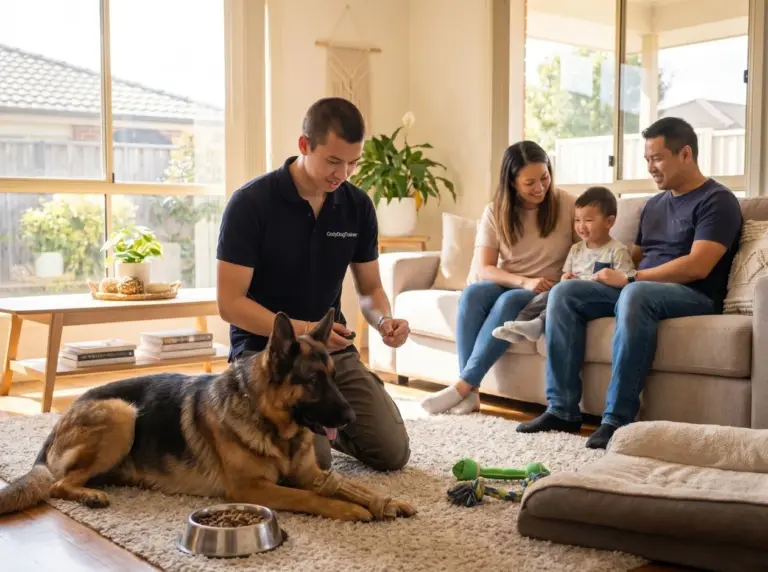
Immediately after you notice your dog choking or wheezing, halt all walks for at least 72 hours. This break allows any inflamed tissue to recover. During this time, focus on low-energy indoor activities, such as puzzle toys and scent games, to keep your dog engaged without the stress of leash walking.
Phase 2: Auditing Your Gear (Why Your “No-Pull” Harness Might Still Choke)
Not all harnesses are created equal. Many popular no-pull harnesses can still apply pressure to your dog’s throat if they’re not fitted correctly. I recommend switching to a front-clip harness or a head halter temporarily to help manage pulling while being mindful of fit. Check that the harness doesn’t ride too low on the chest or too high on the neck, as these positions can still cause irritation.
Phase 3: Building Spatial Value Inside the House
Once your dog has had time to heal, begin conditioning them to walk on a loose leash indoors. Use high-value treats to reward them for staying close and not pulling. This reinforces positive behavior in a low-distraction environment, setting the stage for successful outdoor walks later.
Troubleshooting the High-Drive Choker
Why the “Stop-and-Go” Method Drives Anxious Dogs to Explode
Many training methods advocate for the “stop-and-go” technique, where you stop walking every time the leash goes taut. While this can be effective in some cases, for highly aroused dogs, it can lead to increased frustration and anxiety, causing them to pull harder or even lash out. Instead, focus on redirecting their energy toward more appropriate behaviors before they get to that point.
What to Do If Your Dog Experiences an Acute Respiratory Crisis on a Walk
If your dog begins to wheeze heavily or shows signs of distress during a walk, stop immediately. Find a quiet place to assess their condition. If they appear to be struggling to breathe or lose consciousness, seek veterinary assistance right away. This is a serious medical emergency that requires immediate attention.
FAQs
Why does my dog keep pulling when it’s literally causing them to choke and gag?
Your dog is likely experiencing arousal-induced analgesia, which means they can’t feel the pain of choking while highly stimulated. This makes it difficult for them to connect their behavior with the negative outcome of coughing or gagging.
Is the wheezing and coughing sound my dog makes dangerous, or just an annoying habit?
While coughing and wheezing can be annoying, they often indicate underlying issues, such as inflamed airway tissue or a potential tracheal collapse. It’s important to monitor these symptoms and consult with your veterinarian if they persist.
Why did switching to a harness fail to stop my dog from making coughing sounds?
Not all harnesses fit the same, and a poorly designed or fitted harness may still place pressure on your dog’s throat, leading to coughing. Ensure the harness is properly fitted and consider switching to a front-clip harness for better control.
How do I safely exercise my dog when walks have become a medical risk?
Focus on indoor activities that provide mental stimulation, like puzzle toys or training games. Once your dog has healed, slowly reintroduce outdoor walks using the Airway Reset Protocol to ensure they can walk safely without choking.
How long does it take for a dog’s irritated throat tissue to heal after a severe choking walk?
Typically, it takes about 72 hours for the inflammation to subside, but this can vary based on the severity of the irritation. During this time, ensure your dog avoids any strenuous activity that might exacerbate the issue.
Where to Start Tonight: Implementing the Airway Reset Protocol
Understanding that choking and pulling are symptoms of deeper issues is essential for effective dog training. Start by implementing the Airway Reset Protocol tonight. Give your dog a break from walks and focus on indoor engagement. Monitor their behavior and work on low-arousal training methods. Remember, healing comes first, and with patience and consistency, you can help your dog learn to walk calmly on a leash. Together, we can turn walks into a positive experience, free from choking and distress.