How To Introduce A Second Dog To Your Household
Introducing a second dog into an existing household can be a challenging endeavor. The dynamics between the resident dog and the newcomer can lead to stress and potential conflict if not managed correctly. This guide provides authoritative insights and actionable strategies for ensuring a smooth transition between dogs while promoting a harmonious living environment.
Understanding Dog Behavior and Body Language
Recognizing dog behavior is essential in understanding how to introduce a second dog. Dogs communicate through body language, which can indicate comfort or discomfort in a given situation. Signs such as stiff bodies, raised hackles, or averted gazes often indicate stress or aggression. It is crucial to observe these signals to prevent confrontations and facilitate a positive introduction.
In addition, understanding the concept of “whale eye”—when a dog shows the whites of their eyes—can be vital in assessing tension levels. This behavior often signifies fear or anxiety, which can escalate if not addressed. Owners should familiarize themselves with these signals to better navigate interactions.
Preparing for the Introduction
Preparation is key to a successful introduction between two dogs. Before bringing the new dog home, owners should ensure that the resident dog is comfortable in their environment. This may involve maintaining routine and ensuring that the resident dog has a safe space to retreat to during the transition.
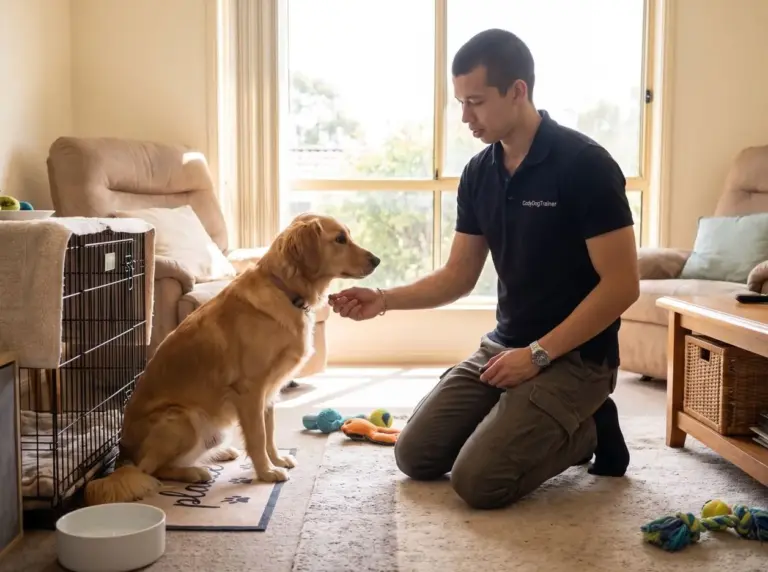
Creating a controlled environment is equally important. Utilizing baby gates, crates, or separate rooms allows for safe and gradual introductions. These measures can help mitigate resource guarding behaviors and provide dogs with their own spaces to decompress.
Neutral Territory Introductions
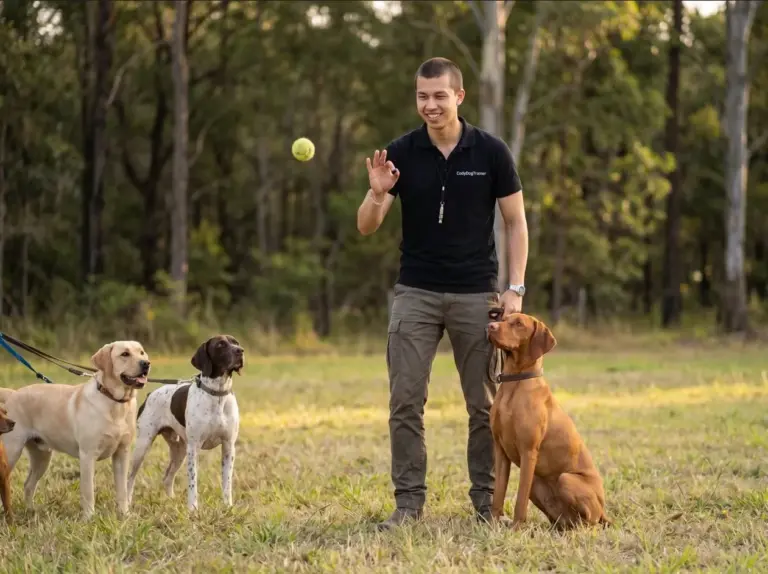
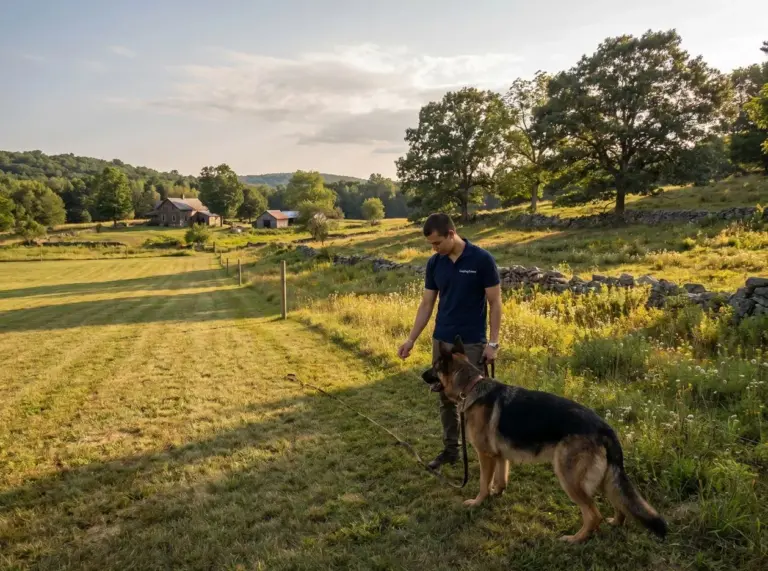
Introducing dogs in a neutral territory is often the safest approach. This method reduces territorial instincts that the resident dog may exhibit. Choosing a wide, open area—such as a park—ensures that both dogs can interact without the pressure of a confined space.
When engaging this method, it is advisable for two handlers to walk the dogs parallel to each other while avoiding direct eye contact. Gradually closing the distance between the dogs can promote a sense of shared experience without instigating confrontational behavior. Observing both dogs’ body language during this interaction is essential to gauge comfort levels.
Initial Meetings and Supervised Interactions
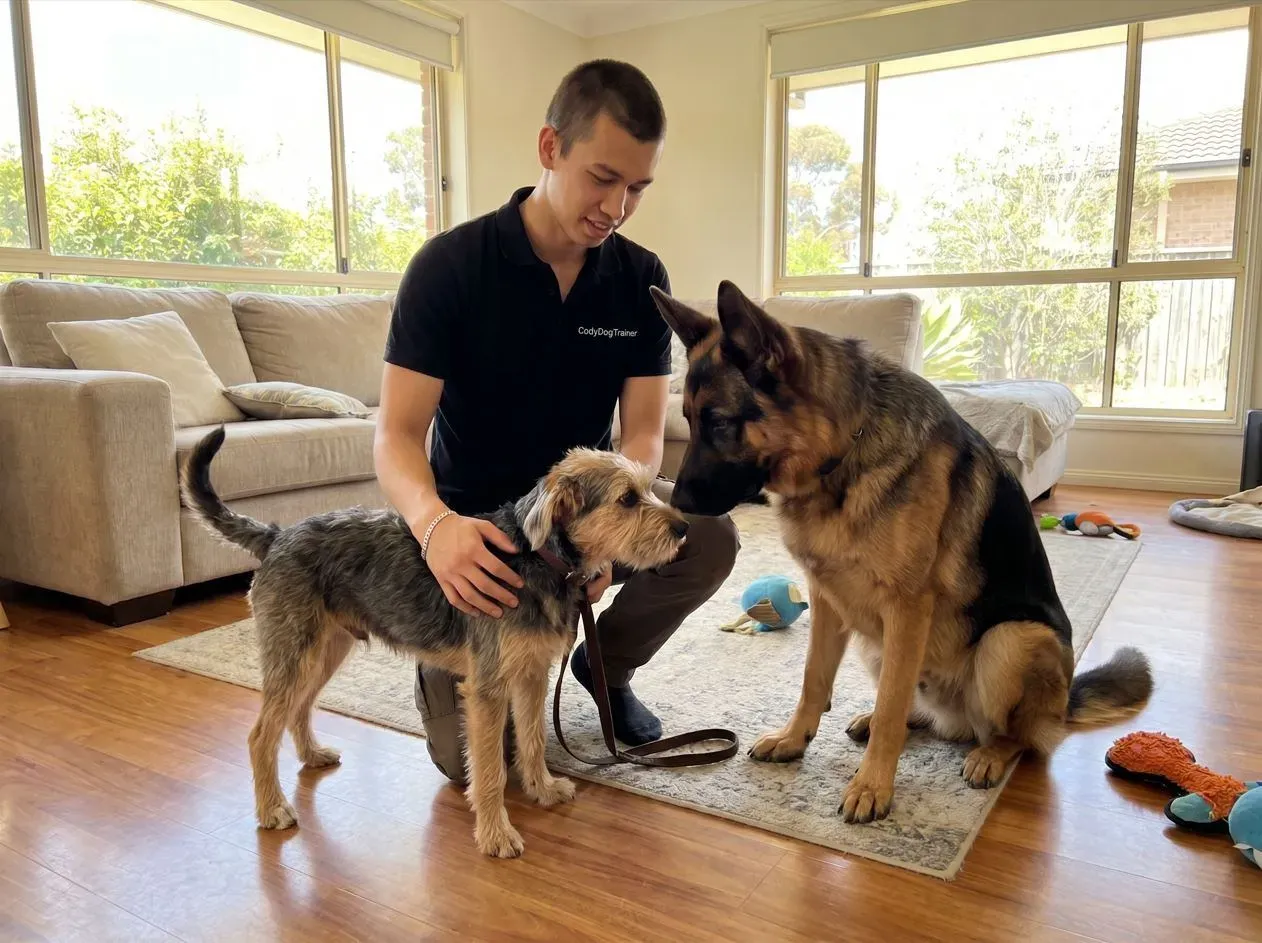
After the initial neutral meeting, supervised interactions should begin. These sessions can take place in a controlled environment within the home, where both dogs are on leashes to ensure safety. Observing their behavior closely can help identify any signs of stress or aggression.
During initial meetings, it is important to allow the dogs to sniff each other while keeping them within a safe distance. This exploration can help them become familiar with each other’s scents without overwhelming them. Owners should remain calm and avoid using verbal commands excessively to prevent adding anxiety to the interaction.
Establishing Zones for Integration
As the dogs become more comfortable, establishing zones can facilitate their integration. Creating separate areas within the home allows each dog to have their own space while still being able to observe one another. This can be achieved through the use of baby gates or separate rooms.
Owners should designate specific zones for active interaction, passive integration, and absolute decompression. Active interaction zones allow for direct supervision, while passive integration zones can facilitate visual and olfactory interaction without direct contact. Absolute decompression zones provide each dog with a quiet space to relax away from the other.
Managing Resource Guarding and Competition
Resource guarding is a common issue that can arise when introducing a second dog. This behavior can manifest as aggression or anxiety when one dog feels that their access to resources—such as food, toys, or even a human—is threatened. It is important to manage this behavior proactively.
To minimize resource guarding, owners should feed the dogs in separate rooms and provide plenty of toys and resources to prevent competition. Introducing high-value items in a controlled manner can also help ease tensions. Monitoring interactions during these moments is crucial to ensure that no resource guarding behaviors escalate into aggression.
Frequently Asked Questions
What do I do if my resident dog growls when the puppy gets close to me
This response indicates resource guarding of the human. It is important to avoid punishing the growl, as it serves as a crucial warning signal.
Is it normal for my older dog to look depressed or ignore the new dog
Yes, it is common for a resident dog to experience an adjustment phase, leading to temporary changes in behavior as they adapt to the new family dynamic.
How long should I keep feeding them in completely separate rooms
Feeding in separate rooms is recommended for the first few months to prevent low-level anxiety and potential conflicts over food resources.
How can I tell if the dogs are getting along
Signs of positive interactions include relaxed body language, play bows, and the absence of growling or stiff postures. Observation of these behaviors can indicate a growing comfort level.
When should I seek professional help for integration issues
If significant aggression or anxiety persists during the introduction process, seeking the assistance of a certified professional trainer or behaviorist is advisable to ensure a safe environment for both dogs.
Conclusion
Introducing a second dog into a household requires careful planning and consideration. By understanding dog behavior, preparing the environment, and establishing clear zones for interaction, owners can facilitate a smoother transition. Continuous monitoring and management of resource guarding issues are essential for fostering a peaceful co-existence. With patience and diligence, a harmonious multi-dog household can be achieved.