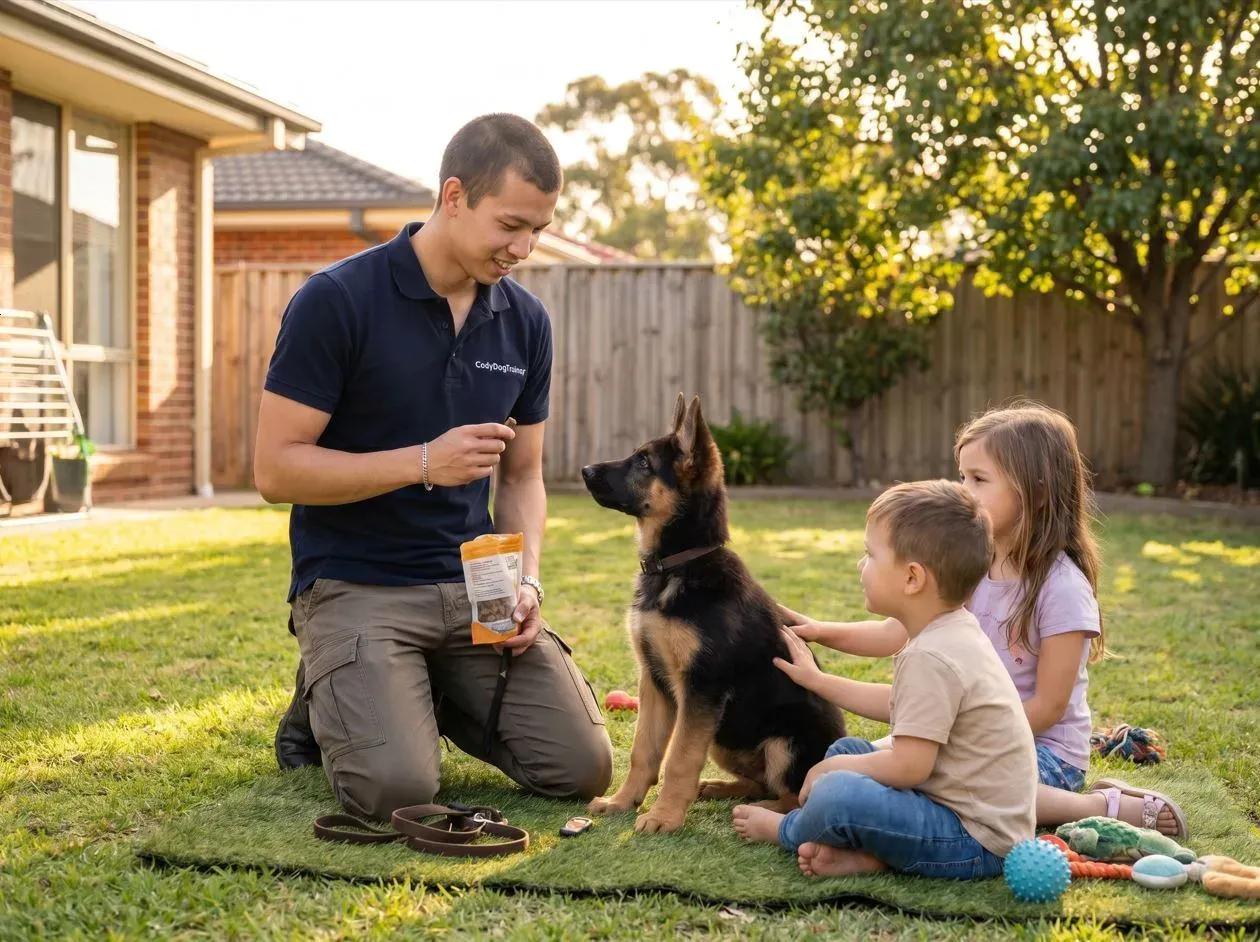
How to Train Puppies Around Young Children
How to Train Puppies Around Young Children in 2026
Bringing a puppy into a home with young children can be a delightful yet challenging experience. Many families envision the ideal scenario where their puppy and child become fast friends, sharing joyful moments together. However, the reality often involves navigating obstacles such as biting, jumping, and overwhelming chaos. Understanding how to train puppies around young children is crucial for ensuring a safe and harmonious environment for everyone involved.
This guide aims to provide practical, real-life guidance for puppy owners managing the complexities of raising a puppy alongside toddlers. By addressing essential training methods, preparation steps, and common pitfalls, owners can foster a nurturing relationship between their puppy and child. The ultimate goal is to create an environment where both the puppy and the child thrive safely and joyfully.
Understanding/Preparation
Before diving into training, owners must first understand the unique dynamics of puppies and children. Puppies are naturally energetic and curious, while young children are often unpredictable and prone to sudden movements. This combination can lead to misunderstandings and potential safety concerns. Therefore, preparation is key to establishing a safe environment.
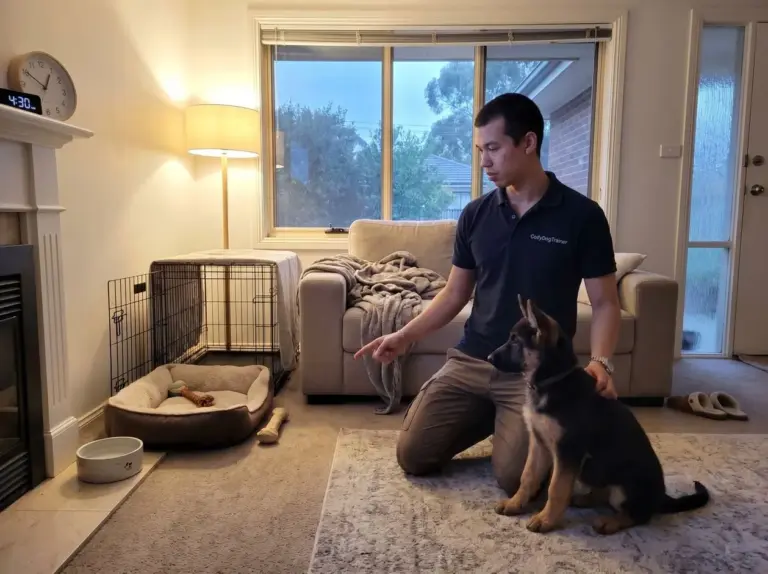
- Establish Safe Zones: Create areas in the home where the puppy can retreat to feel safe. Utilize baby gates or playpens to define these spaces and prevent unsupervised interactions. This helps both the puppy and the child learn boundaries.
- Introduce Training Tools: Equip the home with essential training tools, such as treat pouches, enrichment toys like Kongs or Toppls, and crates. These tools support positive reinforcement training and provide structured activities to keep the puppy engaged.
- Educate Children: Teach children appropriate ways to interact with the puppy. This includes understanding the dog’s body language and recognizing when the puppy needs space. For instance, explaining that jumping and rough play can be overwhelming for the puppy will help children learn to engage appropriately.
Step-by-Step Instructions
- Preventing Puppy Biting:
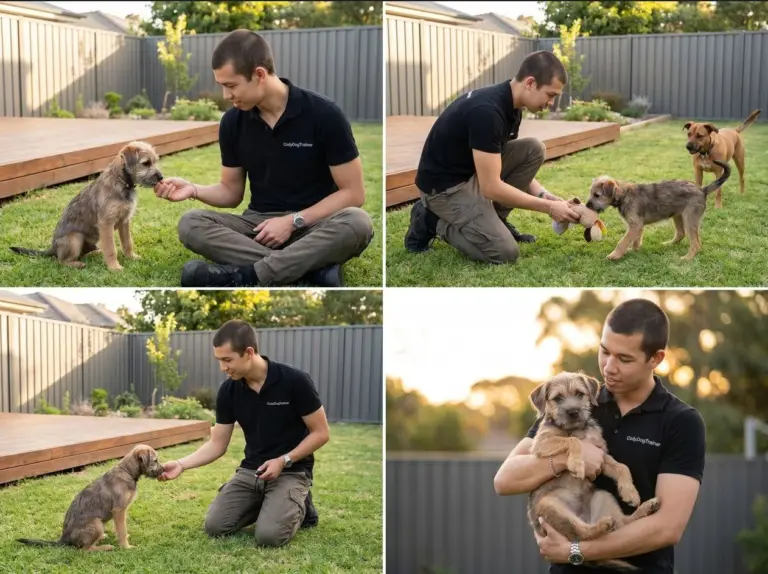
- Redirect Attention: When the puppy begins to nip or bite, redirect their attention to a toy or chew item. This teaches the puppy what is acceptable to bite.
- Teach “Gentle”: Use treats to reward the puppy for calm behavior around children. Owners can say the command “gentle” when the puppy interacts softly, reinforcing positive interactions.
- Supervised Interaction:
- Always Supervise: Never leave a puppy alone with a toddler. Constant supervision is essential to prevent accidents and reinforce safe behavior.
- Structured Playtime: Set specific times for supervised play between the puppy and child. This helps both the child and puppy learn to interact in a controlled environment.
- Crate Training:
- Positive Associations: Introduce the crate gradually, making it a positive space with treats and toys. The crate should never be used as punishment, as this may create negative associations.
- Scheduled Breaks: Use the crate for short periods to provide the puppy with downtime, especially after playtime or meals. This helps prevent overstimulation.
- Teaching Boundaries:
- No Face Contact: Teach children to avoid face contact with the puppy, as this can be perceived as threatening. Encourage side-by-side petting instead.
- Calm Behavior Reinforcement: Reward both the puppy and the child for calm behavior during interactions. This supports the development of respectful boundaries.
Common Mistakes
- Expecting Immediate Results: Owners may expect quick success in training. However, it typically takes 6 to 18 months to achieve reliable behavior in both the puppy and child.
- Overlooking Puppy Fatigue: Puppies need ample rest to manage their energy levels. Failing to provide structured nap times can lead to overstimulation and chaotic behavior.
- Allowing Free Interaction Too Soon: Some owners may underestimate the need for structured interactions. Allowing unrestricted play without supervision can lead to accidents and reinforce bad habits.
Troubleshooting
- Excessive Biting or Jumping: If the puppy continues to bite, owners should reassess their training methods. Increasing the use of redirection and positive reinforcement can help diminish unwanted behaviors.
- Child Fear of the Puppy: If a child becomes fearful, it is essential to slow down interactions. Gradually reintroducing the puppy in a calm setting can help rebuild trust and comfort.
- Resource Guarding Issues: If the puppy exhibits guarding behavior, owners should practice trading exercises with the puppy. This teaches the puppy that sharing is rewarding, promoting positive interactions around food and toys.
FAQ
- When can toddlers safely play with puppies?Toddlers can start to interact with puppies under close supervision after basic training has begun. It’s essential to ensure both the puppy and child are comfortable with each other.
- Is crate training cruel?Crate training is not cruel when introduced correctly. It provides a safe space for the puppy and can help with house training. Owners should gradually acclimate the puppy to the crate with positive reinforcement.
- How do I stop puppy biting around kids?Redirecting the puppy’s attention to toys and teaching commands like “gentle” can help reduce biting behavior. Consistent reinforcement of calm interactions is crucial.
- Should puppies sleep near children?Puppies should have their own safe sleeping space, such as a crate or designated area away from the child’s sleeping area. This ensures the puppy feels secure and reduces potential disturbances.
- How do I teach a toddler to respect dog boundaries?Educating toddlers on appropriate interactions, such as avoiding face contact and recognizing when the puppy needs space, helps establish respect for the dog’s boundaries.
Conclusion
Training puppies around young children requires careful planning and consistent management. By employing structured routines and clear boundaries, owners can foster a safe and loving environment for both their puppy and child. With patience and commitment, families can enjoy a harmonious coexistence that nurtures the bond between their puppy and child effectively.