Puppy Won’t Sleep at Night – What Am I Doing Wrong?
The Thermal-Circadian Reset: Cody Normand’s Guide to Ending Midnight Puppy Crying Permanently
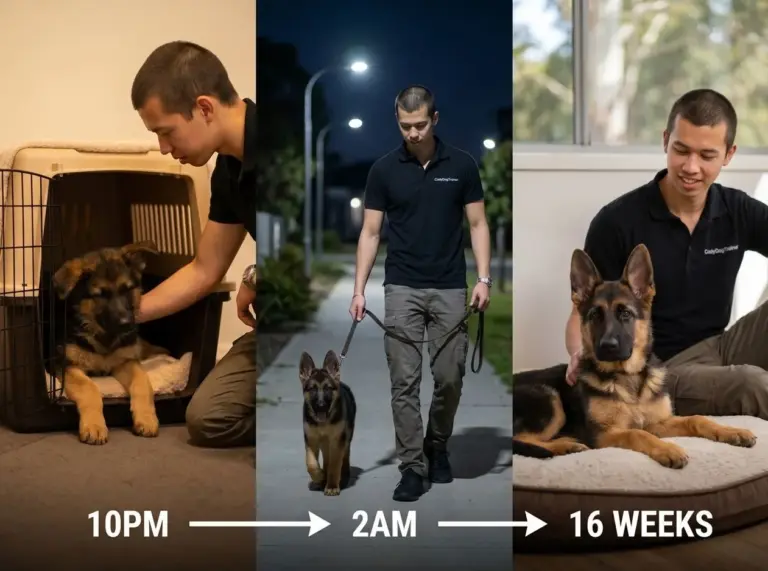
Your puppy’s inability to sleep through the night often stems from environmental factors, not just a full bladder or the need for attention. Midnight waking isn’t merely a behavioral issue; it’s a result of how we structure their sleep environment and routine. By addressing these environmental triggers, we can help your puppy transition to deep, uninterrupted sleep.
This perspective differs from traditional advice, which often focuses on rigid schedules and behavioral conditioning. My approach emphasizes understanding the physiological needs of puppies and adapting their environment to meet those needs. Let’s explore why your puppy might be waking up at night and how we can solve this together.
The Midnight Crashing Point: Why Your Puppy’s Sleep Just Fractured
The Anchor Trap: Why Week One Was Perfect, But Week Three is a Nightmare
Many new puppy owners experience a period of blissful sleep during the first week, only to face sleepless nights shortly after. This sudden shift can be attributed to the Cortisol Loop, where overstimulation and anxiety lead to increased nighttime awakenings. In my experience, this often happens when owners inadvertently create a cycle of hyper-vigilance by setting rigid alarm schedules for Potty breaks.
Instead of allowing the puppy to regulate their sleep, constant interruptions can fracture their sleep cycles, leading to anxiety-driven awakenings. Research shows that approximately 20% to 30% of dogs experience sleep disruptions at night, often caused by these environmental factors rather than a simple need to go outside (Leader of the Pack Dog Training).
Biological Shift: Teething Gums and the Adolescent Amygdala Surge
As puppies grow, they undergo significant neurological changes, especially between 6 to 12 months of age. Their brains shift from relying on the prefrontal cortex to the emotional amygdala, leading to increased anxiety and sleep disturbances (BAXTER & Bella Canine Academy). Additionally, teething can cause discomfort that disrupts sleep. If your puppy is in this age range and suddenly waking up frequently, it’s likely due to both physical discomfort and emotional changes.
The Table-Stakes Myths: What Traditional Training Guides Get Wrong About Puppy Sleep
The Dehydration Danger of Burning the Water Bowl
One common myth is that you should remove your puppy’s water bowl several hours before bedtime. This practice can lead to dehydration, causing discomfort that disrupts sleep. Puppies, like humans, need to stay hydrated, particularly after play sessions. Ensuring they have access to water in the evening can prevent unnecessary awakenings.
Why Human-Set Alarms Create Hyper-Vigilant Puppies
Another prevalent piece of advice is to set alarms for nighttime potty breaks. This method often backfires, as waking a sleeping puppy can train them to expect interruptions, leading to anxiety and shallow sleep. Instead, let your puppy inform you when they need to go out, which can help them develop a healthier sleep routine.
The Thermal-Circadian Reset: A Practitioner’s Framework for Unbroken Sleep
The Thermal-Circadian Reset is a structured approach I’ve developed to help puppies achieve uninterrupted sleep. It combines environmental modifications with behavioral adjustments to create an optimal sleeping environment.
Step 1: Stripping the Crate for Thermal Dumping
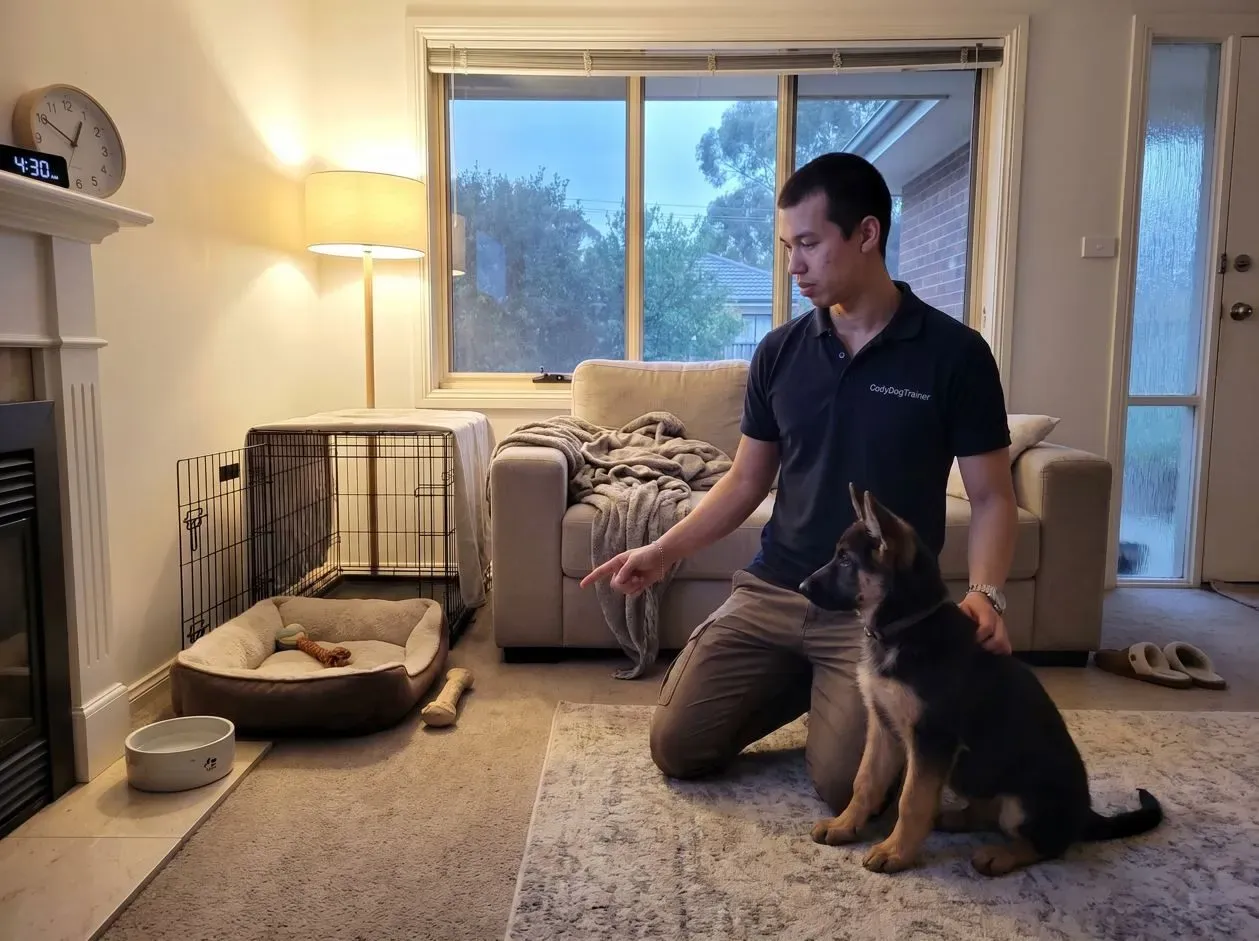
First, consider the materials inside your puppy’s crate. Many owners use plush beds and heavy blankets, which can trap heat and lead to overheating. Instead, remove the bedding and allow for thermal dumping. A bare plastic crate, or one with minimal bedding, allows your puppy to cool down by exposing their belly to the crate’s surface. This simple change can drastically improve sleep quality.
Step 2: Shifting from Floor Isolation to Eye-Level Proximity
Placing the crate at eye level next to your bed can make a significant difference. In my sessions, I’ve found that when puppies can see and sense their owners nearby, they feel more secure and are less likely to panic at night. You don’t need to engage with them verbally; your presence alone helps calm their nervous system.
Step 3: Trading Clock Alarms for Reactive, Micro-Soothing Touches
Instead of setting alarms, practice a reactive approach. If your puppy wakes up, use gentle, soothing touches through the crate bars to calm them without fully waking them. This method encourages them to return to sleep without becoming hyper-vigilant, allowing their sleep cycles to remain intact.
Troubleshooting the Sleep Breaks: Is It Attention, Pain, or a Real Potty Urgency?
The Midnight Checklist: Reading the Cues of an Overtired Tantrum
Understanding your puppy’s cues is crucial. If they wake up whining or barking, assess whether they’re exhibiting signs of an overtired tantrum or if they genuinely need to go outside. An overtired puppy can display anxious behaviors, including digging or excessive vocalization, which can be confused with a need for attention.
Managing the Adolescent Regression (6 to 18 Months) Without Retraining from Scratch
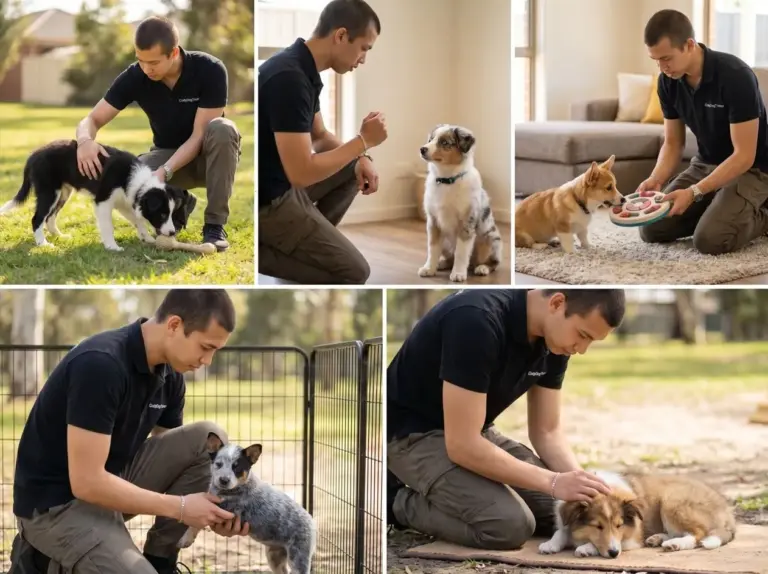
During the adolescent phase, many puppies experience sleep regression due to hormonal changes. To manage this without starting from scratch, focus on maintaining a consistent routine and ensuring they receive ample mental and physical stimulation during the day. Using interactive toys or puzzle feeders can help exhaust their energy and promote better nighttime sleep.
FAQs
Why did my puppy suddenly stop sleeping through the night at 4 months?
Sudden sleep disruptions at this age can be linked to developmental changes, teething, or overstimulation. Puppies require 18 to 20 hours of sleep per day, so if they are not getting enough rest during the day, it can lead to increased nighttime awakenings.
How long should I let a puppy cry or whine in their crate at night?
Instead of allowing them to cry it out, focus on understanding the reasons behind their behavior. If they are genuinely distressed, they may need reassurance or a quick potty break. Ignoring them can heighten anxiety and create a cycle of hyper-vigilance.
How do I establish a foolproof bedtime routine for a high-energy puppy?
Create a calming pre-bedtime routine that includes quiet play or relaxation exercises. Ensure they have an opportunity to relieve themselves before bedtime and gradually introduce them to the crate as a safe space.
Is my puppy waking up because they need to pee, or are they just looking for attention?
Assess the situation by monitoring their behavior. If they wake up and seem anxious or restless, it may be due to overstimulation or anxiety rather than just needing to go outside.
Does taking away water 4 hours before bedtime actually help or hurt?
Removing water can lead to dehydration, which can disrupt sleep. Instead, ensure they have access to fresh water in the evening to prevent awakenings due to thirst.
Where to Start Tonight
The Thermal-Circadian Reset approach provides a clear framework to help your puppy achieve restful sleep. Start by implementing the changes to their crate environment and shift your own responses during nighttime awakenings. These adjustments can lead to more peaceful nights for both you and your puppy. Remember, this process may take time, but with consistency, you’ll see improvement. Keep your patience, and soon both you and your puppy will be enjoying uninterrupted sleep.