Shed Antler Retrieval Progression For Active Wilderness Scouting Dogs
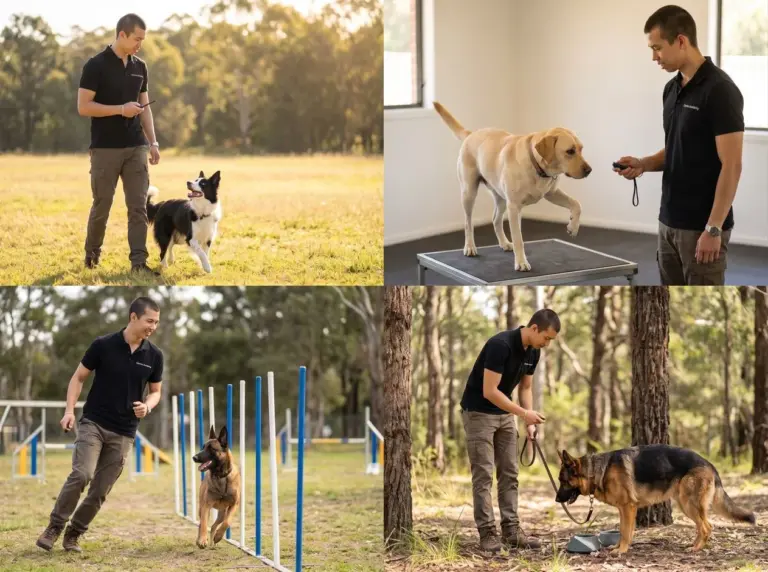
As more outdoor enthusiasts turn to their canine companions for shed hunting, understanding the intricacies of training dogs for this specialized task becomes paramount. Shed antler retrieval is not merely a game of fetch; it requires a unique skill set that blends scent work, obedience, and outdoor navigation. This article will delve into the progression of training a dog to efficiently locate and retrieve shed antlers in various wilderness environments.
By implementing a structured training program, handlers can cultivate their dogs’ innate abilities, transforming them into proficient shed hunters. This article outlines practical steps, expert insights, and community-tested methodologies that can help elevate a dog’s performance in the field. Understanding the foundational aspects of this training will prepare both dog and handler for successful shed hunting excursions.
Understanding Shed Antler Retrieval
The Importance of Scent Work
Shed antler retrieval hinges significantly on a dog’s ability to utilize its sense of smell. Unlike typical fetch games, where visual cues dominate, shed hunting relies on the dog’s olfactory capabilities. This helps the dog differentiate between the scent of fresh sheds and other environmental odors.
Recognizing the Challenges
Handlers often face obstacles during training, particularly when transitioning from visual cues to scent-based retrieval. This supports the importance of structured training methods that gradually introduce the complexities of wilderness environments. Dogs may initially struggle, leading to frustration and a lack of confidence.
Training Progression for Shed Antler Retrieval
1. Mouth Familiarization
Training begins with familiarizing the dog with the texture and weight of an antler. Using soft foam or plush dummies, handlers can gently introduce the dog to the concept of retrieving without the risk of injury.
- Start with Soft Dummies: Use a foam dummy that mimics the shape of an antler. This helps the dog adjust to the feel of the object without the risk of sharp edges.
- Encourage Play: Engage the dog in a playful manner, rewarding them for picking up the dummy and bringing it back. This builds a positive association with retrieval.
2. Scent Imprinting
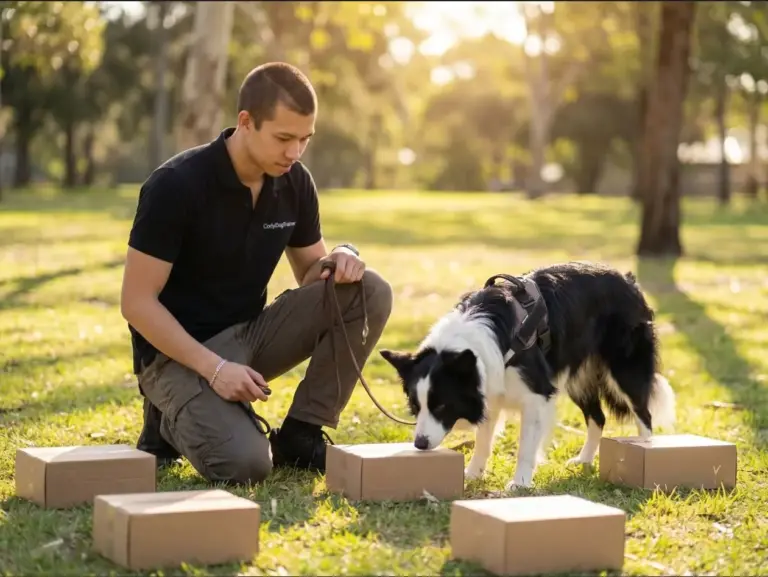
Once the dog is comfortable with the mouth feel, it’s crucial to introduce scent. This phase is essential for transitioning the dog from a visual to a scent-focused approach.
- Use Scented Dummies: Apply synthetic antler scents to the foam dummies to create a strong olfactory association. This supports the dog in recognizing the scent of antlers.
- Blind Searches: Start with blind retrieves where the dog cannot see the dummy. This helps reinforce the idea that they need to use their nose, not their eyes, to find the object.
3. The Drag Line Technique
To simulate real-world scenarios, handlers can implement a drag line technique, which helps teach the dog to follow a scent trail.
- Create a Scent Trail: Drag a scented dummy across the ground, allowing the dog to follow the scent. This helps the dog learn to track the scent over various terrains.
- Increase Difficulty Gradually: As the dog becomes more proficient, introduce more challenging environments, such as thicker brush or uneven terrain, to build their confidence.
4. Wilderness Quartering
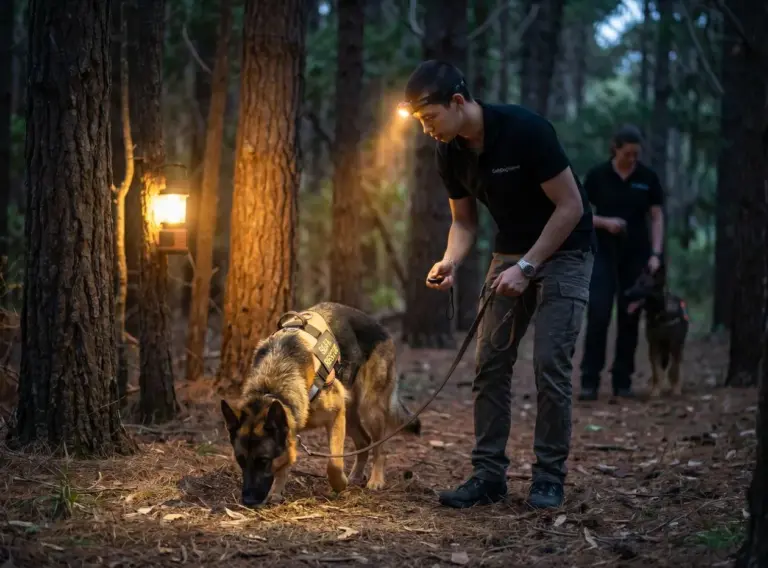
Once the dog can retrieve dummies reliably, the next step is teaching them to search effectively in a wilderness setting.
- Implement Quartering Techniques: Train the dog to search in a grid pattern, using their nose to locate sheds. This helps maximize their search efficiency in open areas.
- Introduce Wind Awareness: Teach the dog to understand wind direction, which is crucial for following scent trails. This supports their ability to locate sheds more effectively.
Proofing Against Distractions
Managing Non-Target Odors
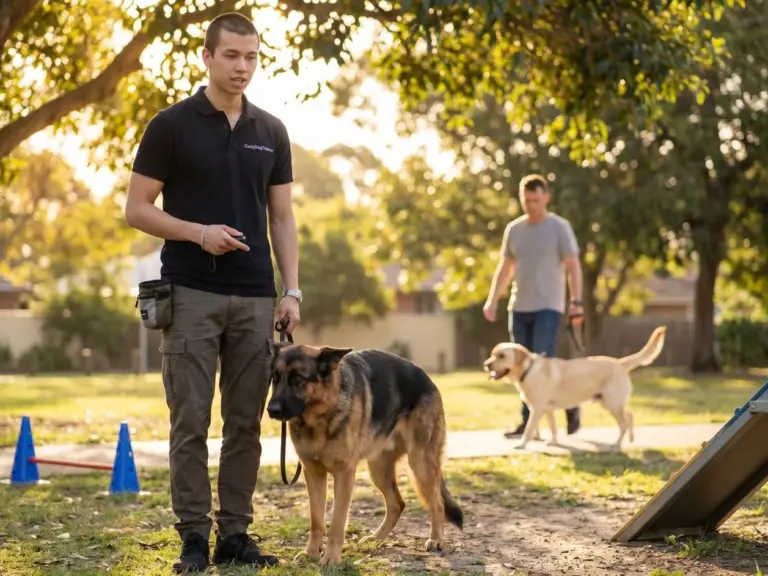
In the wilderness, distractions are abundant, and dogs may be tempted to chase live animals or other non-target scents. Proofing techniques are vital for maintaining focus.
- Implement Obedience Drills: Regularly practice obedience commands to reinforce the importance of focus and control. This helps prevent distractions from derailing the search.
- Reward Target Behavior: Reward the dog when they ignore distractions and focus on the task at hand. This builds a strong connection between correct behavior and positive outcomes.
Gradual Exposure to Real Antlers
Introducing real antlers should be a gradual process, ensuring the dog remains comfortable and motivated.
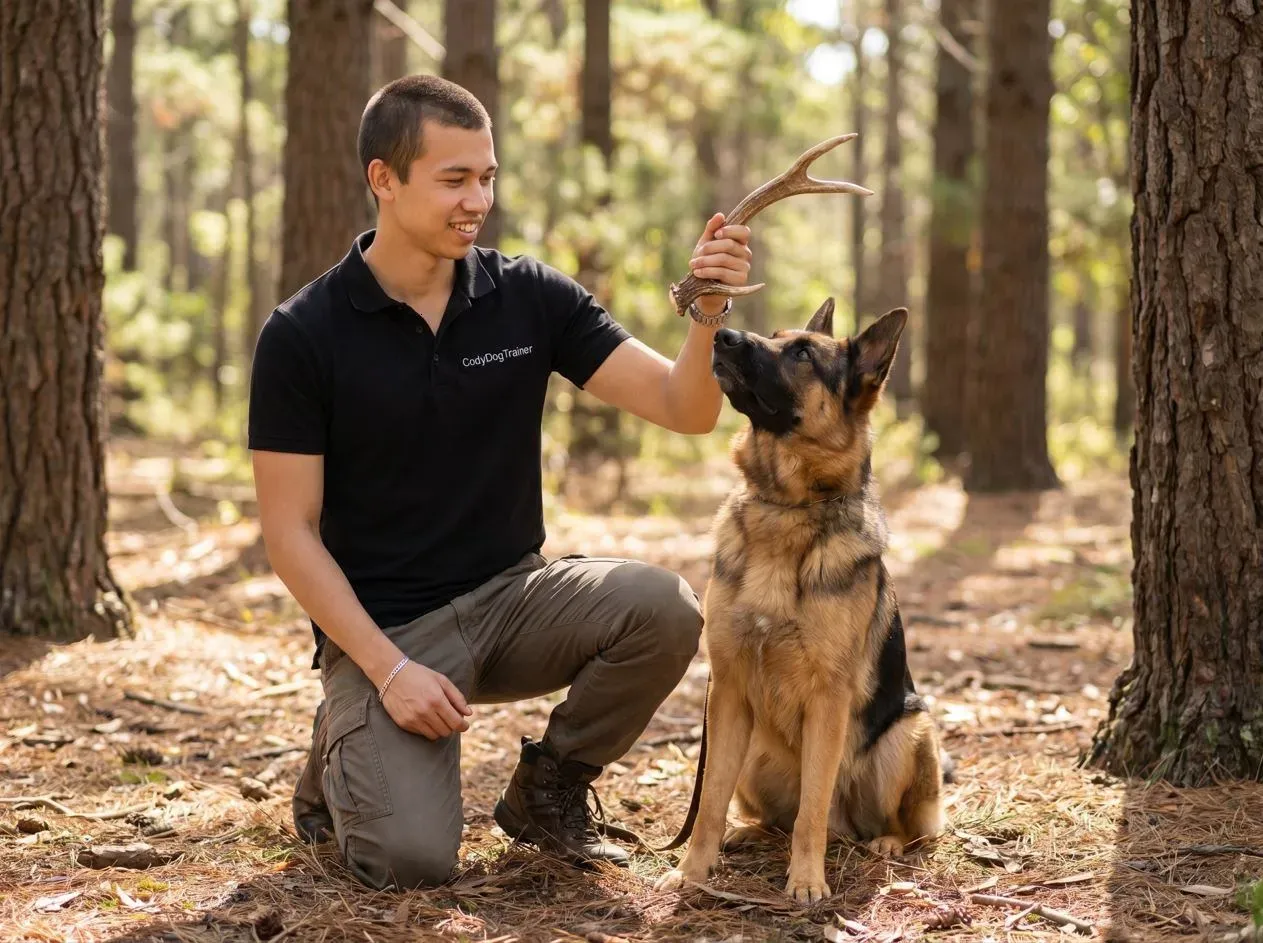
- Start with Soft Antlers: Use antlers that have been trimmed and smoothed to prevent injury. This protects the dog’s mouth during the learning phase.
- Monitor Behavior: Closely observe the dog’s behavior with real antlers. If any signs of discomfort are observed, revert to softer dummies until confidence is regained.
Expert Insights and Best Practices
Understanding Canine Olfaction
Recognizing the physiological differences in canine olfaction is critical for effective training. Dogs have up to 300 million olfactory receptors, enabling them to detect scents in minute concentrations. This understanding helps handlers appreciate the complexity of scent work in shed hunting.
Safety Protocols
Ensuring the safety of the dog during training is paramount. Handlers should take precautions to prevent oral injuries.
- Trimming Sharp Points: When using real antlers, trim sharp edges or wrap them in tape to avoid injuries while the dog learns to retrieve.
- Regular Check-Ups: Monitor the dog’s mouth for any signs of injury or discomfort, adjusting training methods as necessary.
Frequently Asked Questions
Can I use shed hunting to burn off my high-drive hunting dog’s energy during the spring off-season?
Absolutely. Shed hunting is an excellent way to satisfy a high-energy dog’s instincts. However, structured scent work is essential, as it requires considerable mental concentration.
My dog loves tracking live deer. Won’t shed training just make them run away after live herds?
This is a valid concern. Without explicit proofing, dogs may prioritize fresh animal scents. Implement strict obedience and scent differentiation drills to maintain focus on shed hunting.
How long does it take to train a dog for shed hunting?
The timeframe varies significantly based on the dog’s age, breed, and prior training experience. Generally, a well-structured program can yield results within a few months, but ongoing practice is crucial for maintaining skills.
What equipment do I need for shed hunting training?
Key equipment includes soft foam dummies, synthetic antler scents, real or safely modified antlers, and a leash or long line for control during training sessions.
Can any dog be trained for shed hunting?
While many dogs can learn shed hunting, breeds with strong retrieving instincts, such as Labrador Retrievers, German Shorthaired Pointers, and other hunting breeds, may excel due to their natural abilities.
Conclusion
Training a dog for shed antler retrieval is a rewarding endeavor that enhances the bond between handler and canine. By following a structured progression that emphasizes scent work, proofing, and safety, handlers can cultivate their dogs into proficient shed hunters. As the outdoor community continues to embrace the art and science of shed hunting, investing time in proper training will yield results that enhance both the experience and the effectiveness of scouting excursions.
For those looking to take their training to the next level, consider engaging with local trainers or attending workshops focused on shed hunting. These resources provide invaluable insights and hands-on experience that can significantly benefit the training process.