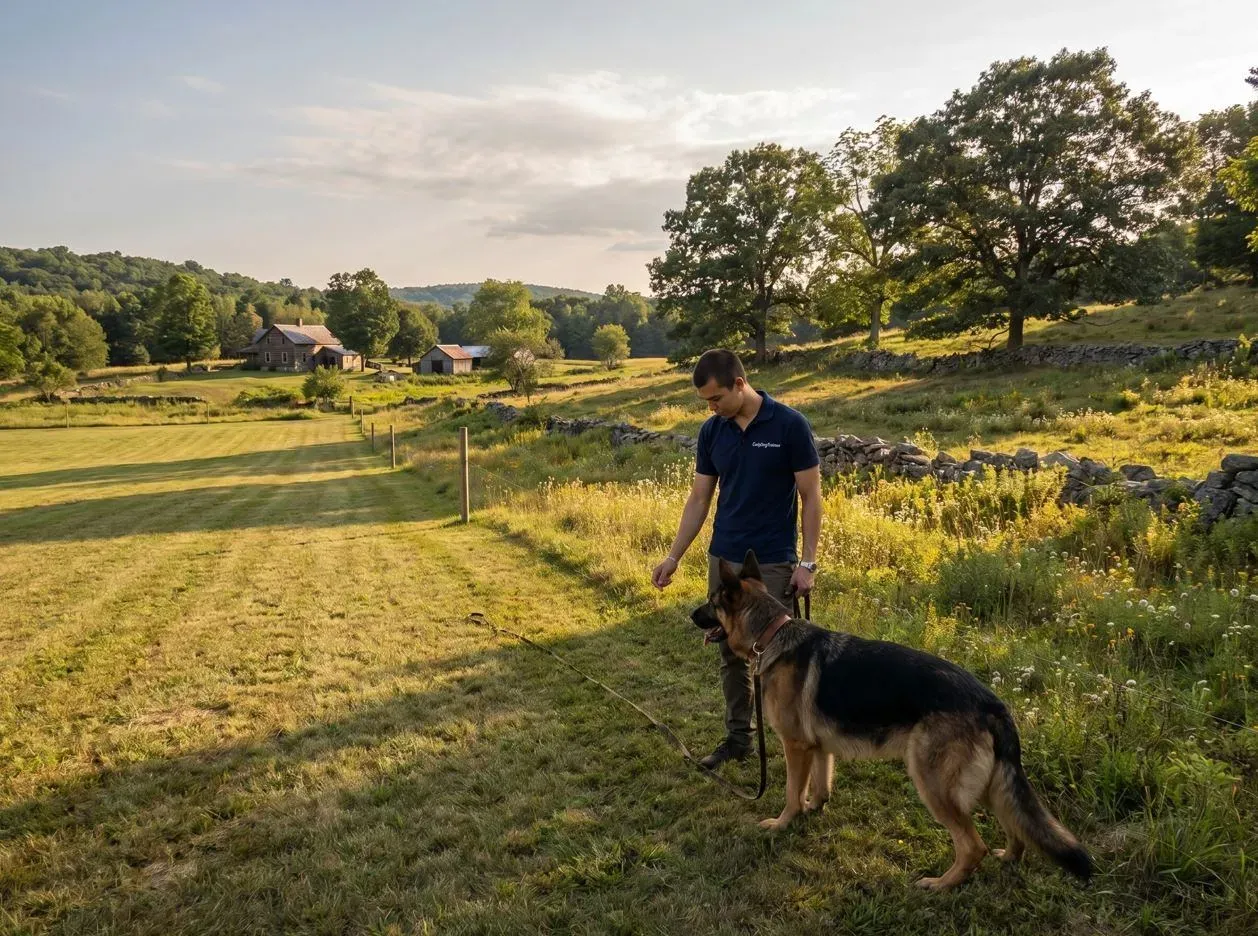
Boundary Training Protocols For Unfenced Rural Property Lines
Boundary Training Protocols For Unfenced Rural Property Lines in 2026
Establishing effective boundary training protocols on unfenced rural properties is essential for dog owners looking to provide their pets with freedom while ensuring their safety. Many owners of rural properties face unique challenges when it comes to training their dogs to respect invisible boundaries. The vast open spaces can lead to anxiety about potential dangers, such as vehicular traffic, encounters with wildlife, or local livestock laws. This article aims to provide a comprehensive guide to boundary training protocols that are effective, practical, and grounded in behavioral science.
With the right training methods, dog owners can create a safe environment where their pets can thrive without the constraints of physical fencing. This guide will explore various boundary training techniques, tools, and tips to help owners navigate the challenges of training dogs on rural property lines. By understanding a dog’s perception of boundaries and the effective use of training tools, owners can establish reliable protocols that promote safety and freedom.
Understanding Dog Perception of Boundaries
The Canine Umwelt: How Dogs Perceive Space
Dogs experience their environment differently than humans, relying heavily on their senses of smell and sight. Understanding this can aid in creating effective boundary training protocols. Dogs possess dichromatic vision, primarily perceiving the blue-yellow spectrum, which influences how they see visual cues, such as flags or markers. This helps establish training tools that are more noticeable to dogs.
The Role of Scent in Boundary Recognition
Dogs have a remarkable sense of smell that can often override visual cues. This supports the need for training methods that incorporate scent as a means of boundary recognition. Techniques such as scent marking or using odor-based rewards can enhance boundary training effectiveness.
Visual Cues and Their Limitations
Standard visual markers, such as traditional white or red flags, may not be effective for all dogs due to their limited color perception. Additionally, in densely wooded areas or uneven terrain, these markers may become less visible. Therefore, using bright blue or yellow flags can significantly improve a dog’s ability to recognize boundaries.
Establishing Effective Training Protocols
Phase One: Introduction and Familiarization
The initial phase of boundary training involves introducing the dog to the concept of boundaries. This can be done using visual markers, such as flags, and positive reinforcement techniques.
- Place flags along the designated boundary line to create a visual cue for the dog.
- Use treats and praise to reinforce the dog’s positive behavior when they approach the flags without crossing them.
Phase Two: Long-Line Training
Once the dog is familiar with the visual markers, transitioning to long-line training is critical. This helps the dog learn to respect the boundaries while still providing a safety net.
- Attach a long line (30-100 feet) to the dog’s harness to maintain control while allowing freedom of movement.
- Practice recall and boundary respect with distractions in the environment, rewarding the dog for staying within the boundary.
Phase Three: Gradual Freedom
Once the dog has demonstrated reliable boundary respect on the long line, it is time to transition to off-leash training.
- Begin by removing the long line in a controlled environment, ensuring that the dog understands the boundaries.
- Continue to reinforce positive behavior with high-value rewards and consistent praise.
Tools for Boundary Training
Visual Markers and Flags
Utilizing visual markers effectively is crucial for boundary training. Flags should be placed at eye level for dogs and can be color-coordinated to enhance visibility.
Technology: GPS Collars and E-Collars
While technology can be beneficial, it should not replace foundational training. GPS collars can serve as a backup system, but their limitations, such as signal drift in wooded areas, should be acknowledged.
High-Value Rewards and Positive Reinforcement
Using high-value rewards, such as favorite treats or toys, can significantly motivate dogs during training. This supports consistent boundary recognition and reinforces positive behavior.
Addressing Common Pain Points
Overcoming Distractions
Dogs may become distracted by wildlife or other stimuli outside the boundary. Techniques to mitigate this include:
- Using distraction-proof training methods during initial training to build reliability.
- Gradually introducing distractions to ensure the dog remains focused on boundary respect.
Handling Unexpected Boundary Breaks
In the event a dog crosses the boundary, it is essential to handle the situation calmly and effectively.
- Avoid chasing the dog, as this can reinforce the behavior of running away.
- Use an upbeat recall cue and reward the dog upon returning to the boundary.
Training High-Drive Breeds
Some breeds, particularly high-drive herding dogs, may require additional training techniques due to their instinctual behaviors.
- Implementing scent-based rewards can help in maintaining focus during training.
- Utilizing a structured training plan that incorporates frequent breaks and varied exercises to enhance engagement.
FAQs
What if my property boundary runs through a creek or thick brush?
Establish a working boundary within the natural woodline or geographic transition. Dense brush can act as a secondary cue, while distinct visual markers like painted fence posts can signify boundaries near creeks.
What should I do if my dog ignores the boundary?
Do not chase the dog or scold them. Instead, use a high-value recall cue when they return, and reward them. This helps reinforce the idea that coming back is a positive experience.
Can I train an older rescue dog with a history of roaming?
Yes, it is possible, but it may take more time. Expect to keep the dog on a long line under supervision for at least 4 to 6 months while building positive associations with the boundary.
How long does it take to train a dog to respect boundaries?
The timeline varies by dog. Generally, the process may take several weeks to months, depending on the dog’s behavior, breed, and the training methods used.
Are flags necessary during training?
Flags serve as important visual aids for both the dog and the owner, particularly during the initial training stages. They can help reinforce the boundary concept.
Conclusion
In conclusion, establishing effective boundary training protocols for unfenced rural properties requires a structured approach that considers a dog’s unique perception of space and boundaries. By using a combination of visual markers, positive reinforcement, and appropriate training tools, dog owners can create a safe and enriching environment for their pets. Implementing these strategies not only enhances a dog’s understanding of boundaries but also promotes a sense of freedom and confidence.
For dog owners looking to begin their boundary training journey, it is recommended to start with the basics and gradually increase the complexity of training as the dog becomes more reliable. Consider consulting with professional trainers specializing in boundary work for additional guidance and support. Your dog’s safety and well-being are paramount, and with the right training, they can enjoy the vastness of rural living without compromising their safety.