House Training Schedule For Senior Dogs With Bladder Weakness
House Training Schedule For Senior Dogs With Bladder Weakness – full Guide
Senior dogs often experience bladder weakness, leading to challenges in house training that differ from traditional methods. Managing this issue requires a tailored house training schedule that accommodates the unique needs of aging pets. This article provides expert insights and actionable strategies to help caregivers establish an effective routine for their senior dogs with bladder weakness.
Understanding Bladder Weakness in Senior Dogs
Bladder weakness in senior dogs can stem from various factors, including age-related muscle deterioration, hormonal changes, or medical conditions. This condition often presents as involuntary urination, even when the dog is asleep or relaxed. Recognizing the underlying causes is crucial for developing an appropriate training schedule.
Veterinary consultation is essential to rule out medical issues such as urinary tract infections, diabetes, or hormonal imbalances. A thorough diagnosis can inform the right approach to managing bladder control in senior dogs.
Creating a House Training Schedule
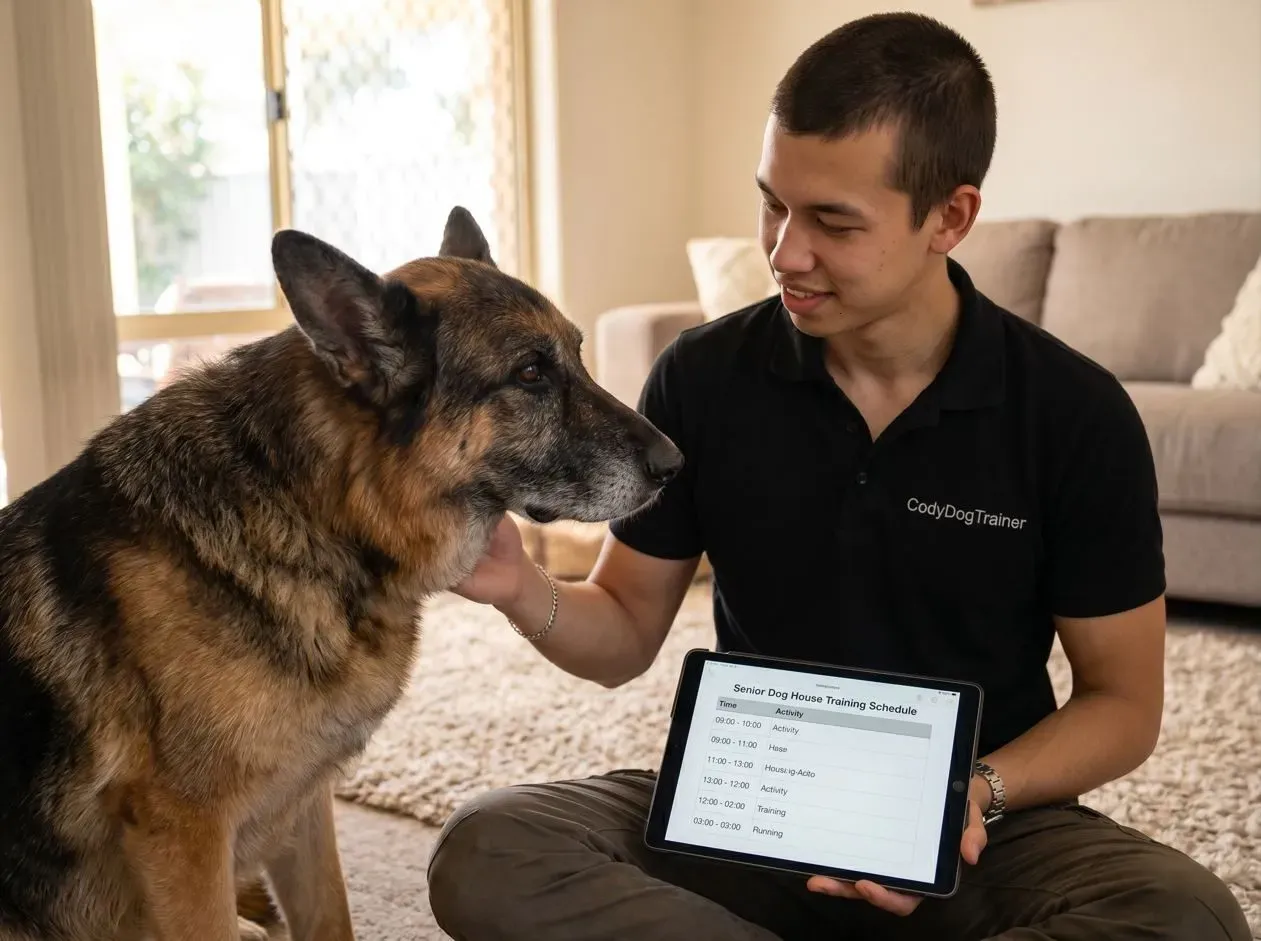
Establishing a structured house training schedule requires careful consideration of the dog’s needs and limitations. The schedule should include regular bathroom breaks, feeding times, and water intake management to facilitate successful training outcomes. A consistent routine helps the dog anticipate when and where to relieve itself.
For a senior dog, breaks every two to three hours during the day can be effective. Owners should take the dog outside first thing in the morning, after meals, and before bedtime to minimize accidents. Understanding the dog’s specific rhythms is key in this training process.
Adjusting Water Intake for Senior Dogs
Managing water intake is a delicate balancing act in senior dogs with bladder weakness. Hydration is vital for overall health, yet limiting water too much can lead to dehydration and kidney issues. Owners should ensure that the dog has access to fresh water throughout the day but may consider restricting water intake in the evening.
Removing the water bowl one to two hours before the final bathroom break at night can help reduce nighttime accidents. This approach allows the dog to empty its bladder before sleep while ensuring it remains hydrated during the day.
Establishing a Comfortable Sleeping Area
The sleeping area for a senior dog should be comfortable and easy to clean. Traditional dog beds can complicate cleanup efforts if accidents occur. Instead, a layered bedding strategy is recommended, where a flat cushion is covered by a waterproof layer and topped with absorbent pads.
This setup allows for quick changes when accidents happen. By simply removing the top layer, owners can ensure that their dog has a dry and comfortable place to rest without extensive cleanup efforts in the middle of the night.
Utilizing Assistive Products for Managing Accidents
Assistive products such as belly bands or dog diapers can be beneficial for senior dogs with bladder weakness. These products help manage accidents and keep the dog comfortable. Owners should choose high-quality, adjustable bands that accommodate the dog’s body shape and size.
Using absorbent liners inside the belly bands can enhance their effectiveness, reducing the frequency of changes needed. Regular checks are necessary to maintain the dog’s hygiene and prevent skin irritations, which can be common with prolonged use of these products.
Addressing Skin Hygiene and Health
Maintaining skin health is crucial for senior dogs who may experience urine scald or diaper rash. Frequent cleaning of the dog’s sanitary area with mild, scent-free wipes can prevent irritation. It is essential to ensure the area is thoroughly dried before applying a new belly band or diaper.
Applying a barrier cream can also protect the skin from moisture-related issues. Caregivers should be vigilant about any signs of discomfort or skin issues and consult a veterinarian if problems persist.
Frequently Asked Questions
Is it safe to pick up my senior dog’s water bowl at night
A careful approach to managing water intake is essential, and removing the bowl 1 to 2 hours before bedtime can help prevent nighttime accidents without risking dehydration.
Why does my dog pee on their own bed while they are completely asleep
This often indicates medical incontinence, where the dog’s muscles relax during deep sleep, leading to involuntary urination without their awareness.
My dog goes out, sniffs around, does nothing, and then leaks the second we walk inside. What do I do
This behavior is common in senior or arthritic dogs; providing support for their hips may help them relax enough to relieve themselves outside.
How do I prevent diaper rash and urine burns on my dog
Regular cleaning and ensuring complete dryness before applying diapers can prevent skin irritations. Using a barrier cream can also provide additional protection.
What if my senior dog shows signs of cognitive decline
If a dog exhibits signs of confusion or disorientation, a veterinary evaluation is essential to determine if it is cognitive dysfunction or related to bladder control issues.
Conclusion
Managing house training for senior dogs with bladder weakness is a multifaceted challenge that requires careful planning and compassionate understanding. Establishing a consistent schedule, adjusting water intake, and utilizing assistive products can greatly enhance the quality of life for both the dog and its caregiver. Addressing hygiene and health concerns is equally important in preserving the dignity and comfort of senior pets as they navigate this stage of life.